
VISUAL STRESS
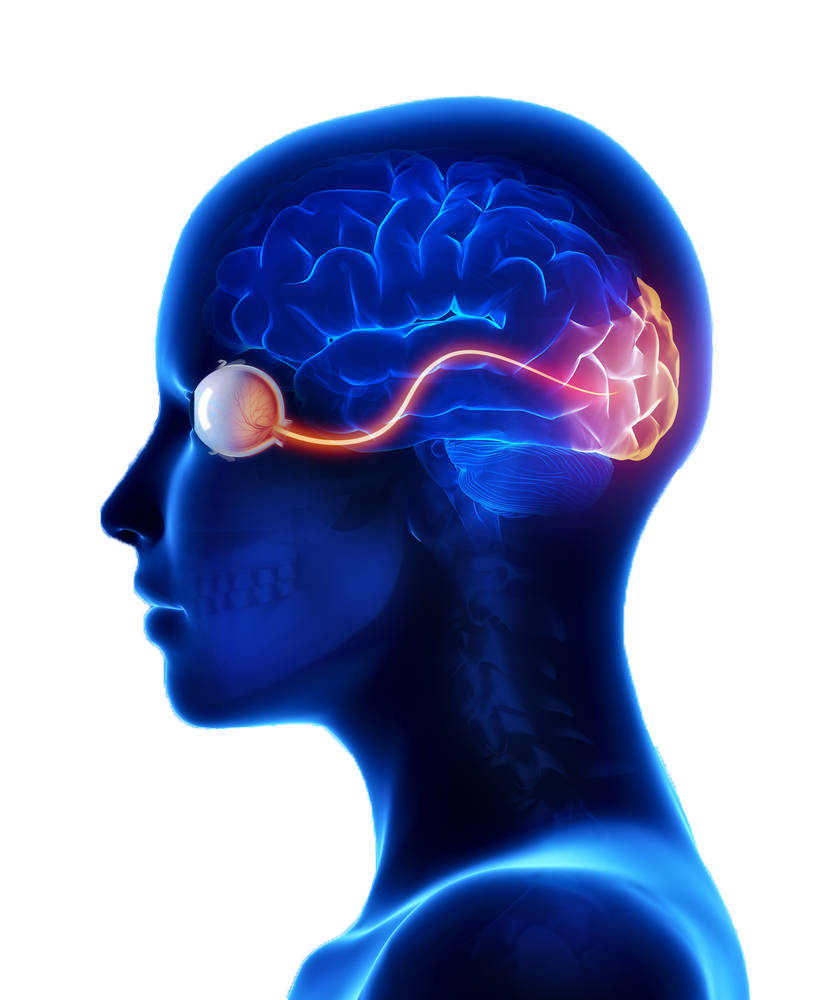
Visual stress, or Meares-Irlen Syndrome, is not an optical problem but in fact down to a problem with how the brain processes certain images. This can make it difficult and a strain to look at, leading to further problems including reading and writing.
Visual stress can affect everyone in some way and a good example is the way our eyes feel when looking at a high contrast pattern. A large passage of black words on white background can give a similar uncomfortable reading experience in some individuals.

There are many symptoms of visual stress; common symptoms include:
- Letters moving or appearing jumbled whilst reading
- Skipping words or jumping lines when reading
- Blurring when reading
- Sensitivity to glare
- Poor depth perception
- General eye strain
- Headaches particularly after prolonged periods reading or concentrating
- Feeling tired after reading
- Slow reading
The symptoms generally make reading and writing much more difficult which can also affect concentration.
Sometimes these symptoms can be made worse by certain lighting and brightness or looking at certain colours.
How can we help?
There is no ‘cure’ for visual stress but we can attempt to ease the symptoms experienced.
It has been discovered that colour can be used over the reading task and can alter the processing of the image, significantly improving the ease of reading or writing.
Visual Stress Assessment
Our optometrists are able to offer a coloured overlay assessment for investigation and management of visual stress.
Occasionally this may be recommended by schools or colleges if concerned about a young person’s learning, or if an individual has recently been diagnosed with dyslexia.
Dyslexia and visual stress exist independently, however visual difficulties are often associated with dyslexia.
Evidence shows that using the correct coloured overlay can increase reading speed by 25%.


Colour can be used to help visual stress in different forms:
- Coloured overlay: This is a piece of transparent plastic in the chosen colour used to place on top of the reading task. This is the most commonly used management.
- Coloured reading ruler: A transparent plastic hard ruler used to place on top of the reading task. This allows easy following of text.
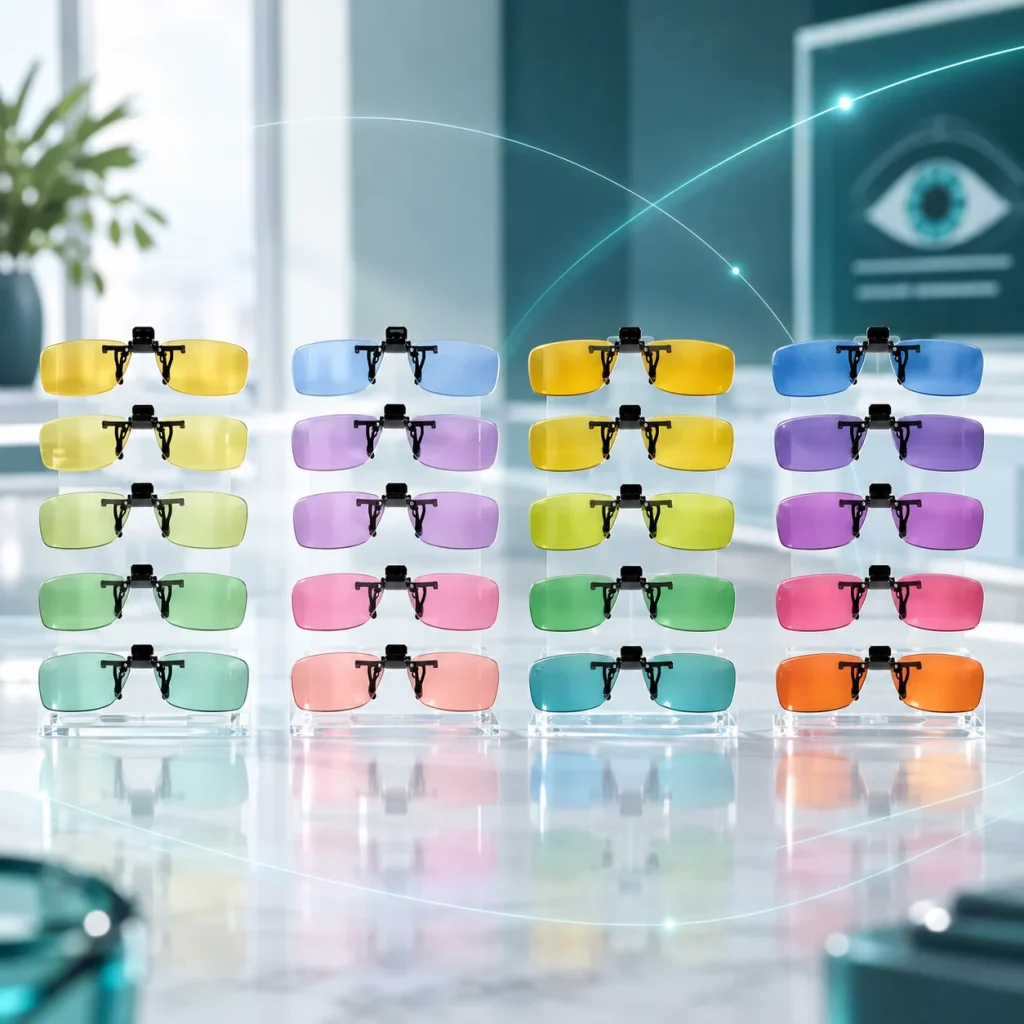
- Coloured ‘clip on’ glasses in chosen colour for over current spectacles.
- Having spectacle lenses glazed in the chosen colour.
- Digital overlay: Changing the background of a VDU device to the chosen colour to allow easy digital viewing.
The Process
The first step is ensuring that a routine eye test is up to date at Pinder Eyecare. This is crucial to ensure that there are no unknown optical prescriptions, updates in spectacles required or ocular health conditions which are causing eye strain.
Coloured Overlay Assessment
This assessment involves:
- a detailed history to get a good understanding of daily tasks carried out and difficulties encountered.
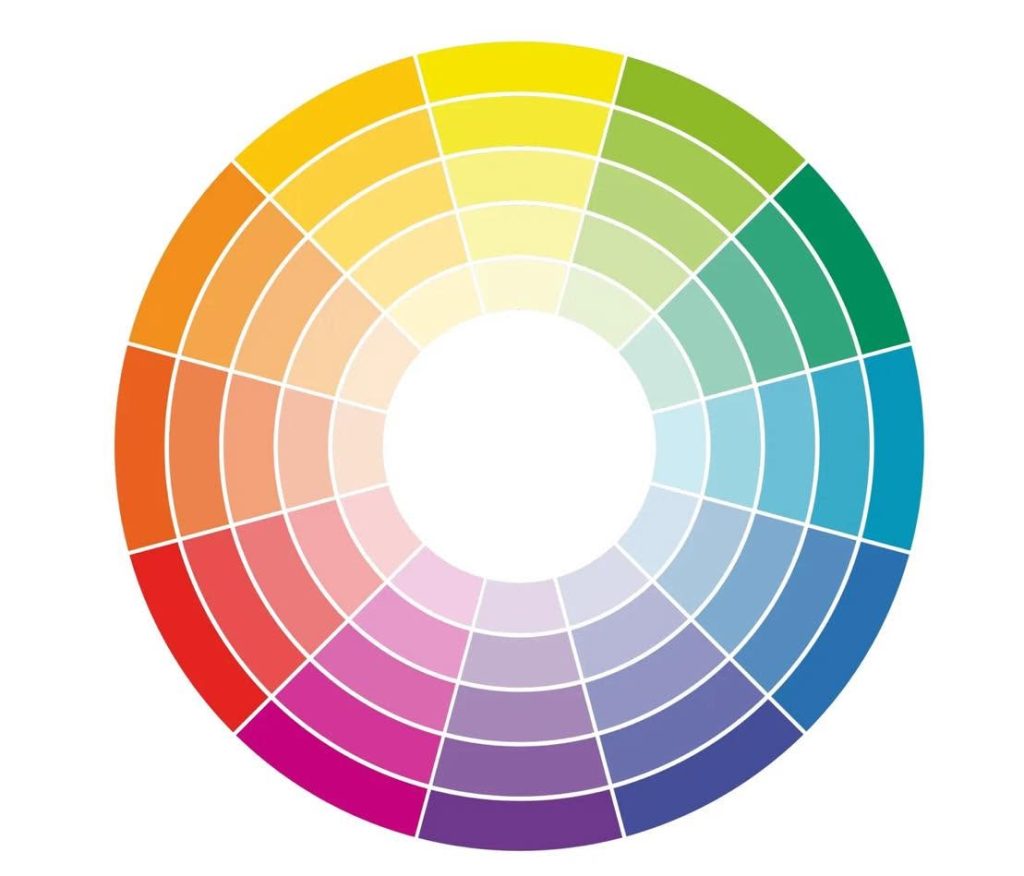
- Words and passages of text are viewed with various options of colour, eventually reaching the final option which best manages symptoms.
- A ‘rate of reading’ test will be performed to compare the speed and quality of reading with and without the coloured overlay in place.
- If an improvement is established, a chosen overlay will be given away to try in daily life.
ReadEZ Coloured Lenses Test
Some people may find that a coloured overlay works very well however difficulties with visual stress involve more than just ‘reading’ problems. Examples may be, reading a computer or reading a board in school.
For this reason, a ReadEZ assessment is offered to create an effective pair of visual stress glasses with coloured lenses.
The test is of a similar format to that performed previously, however various colours and intensities are this time displayed in a test environment designed to mimic a real life setting.
The final chosen colour is often different to that of the coloured overlay.
‘Clip on’ Glasses
The option is given of purchasing ‘Clip on’ glasses which can be clipped onto existing spectacles, or having glasses glazed with the chosen colour of lenses.
For more information or to get booked in to our Visual Stress clinic
Tips for management of visual stress
- Where possible sit near natural light when reading/concentrating.
- Take regular short breaks when reading/writing or when concentrating in class. It can be helpful to follow the 20-20-20 rule: Every 20 minutes, look away at a target 20 feet away for 20 seconds.
- Change settings on digital devices to coloured background and adjust lighting for optimum reading comfort.
- Print documents to be read on coloured paper.
- Use a line guide or ruler when reading to minimise skipping lines.
- Minimise sensory overload by reducing background noise and distractions.
- Making teachers aware in school to ensure the coloured overlay is used.